

Introduction
Hypertension, commonly known as high blood pressure, is one of the most common health conditions worldwide. Many people have hypertension without knowing it because it often develops without noticeable symptoms. For this reason, it is often called the “silent killer.”
If left untreated, hypertension can lead to serious health problems such as heart disease, stroke, kidney damage, and vision problems. The good news is that hypertension can often be prevented or controlled through healthy lifestyle choices and regular medical checkups.
What Is Hypertension?
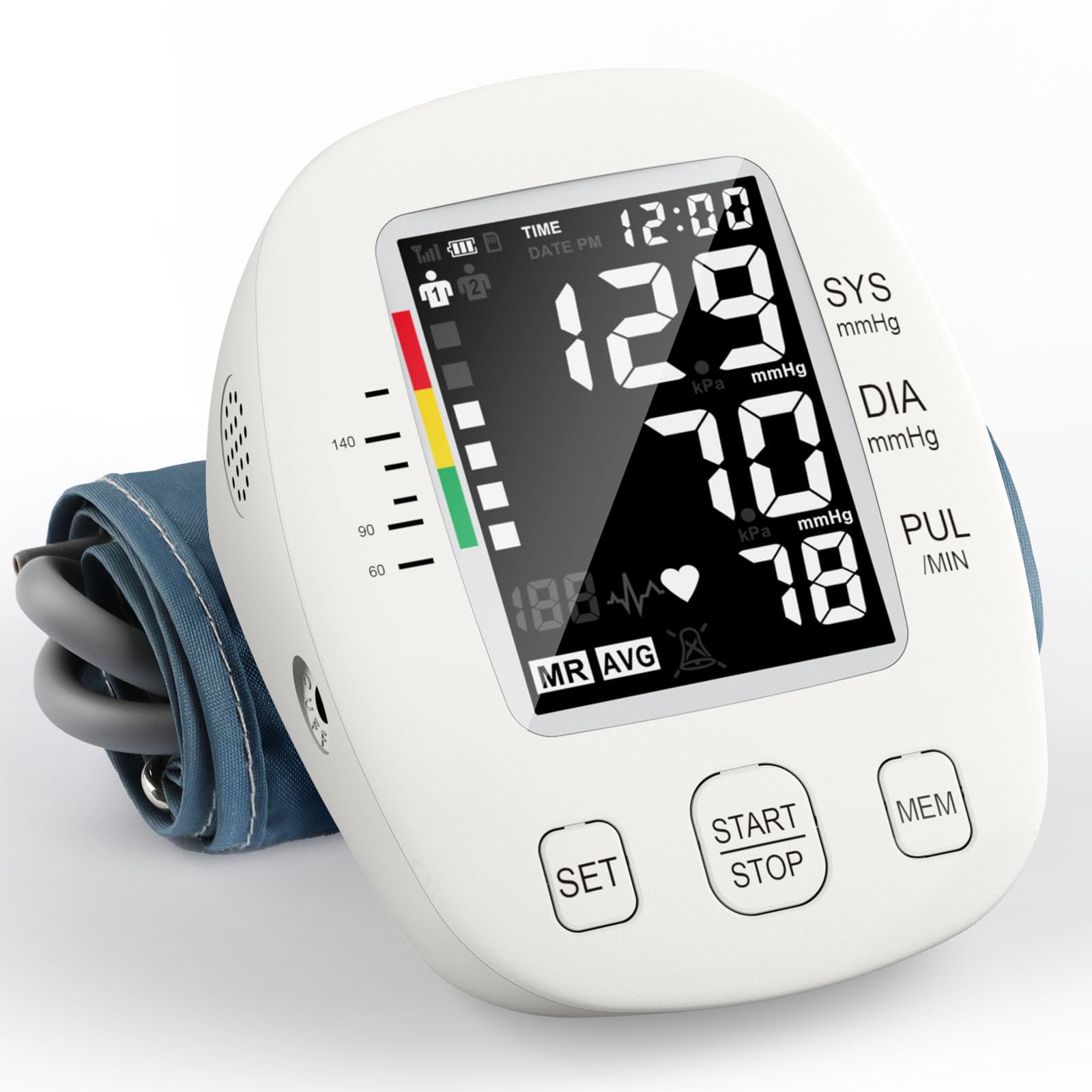
Hypertension occurs when the force of blood pushing against the walls of the arteries remains consistently too high. Over time, this pressure can damage blood vessels and organs.
Blood pressure is measured using two numbers:
Systolic pressure – the pressure when the heart beats
Diastolic pressure – the pressure when the heart rests between beats
A normal blood pressure reading is generally around 120/80 mmHg. Higher readings may indicate hypertension and require medical attention.
Causes and Risk Factors
Common causes and risk factors include:
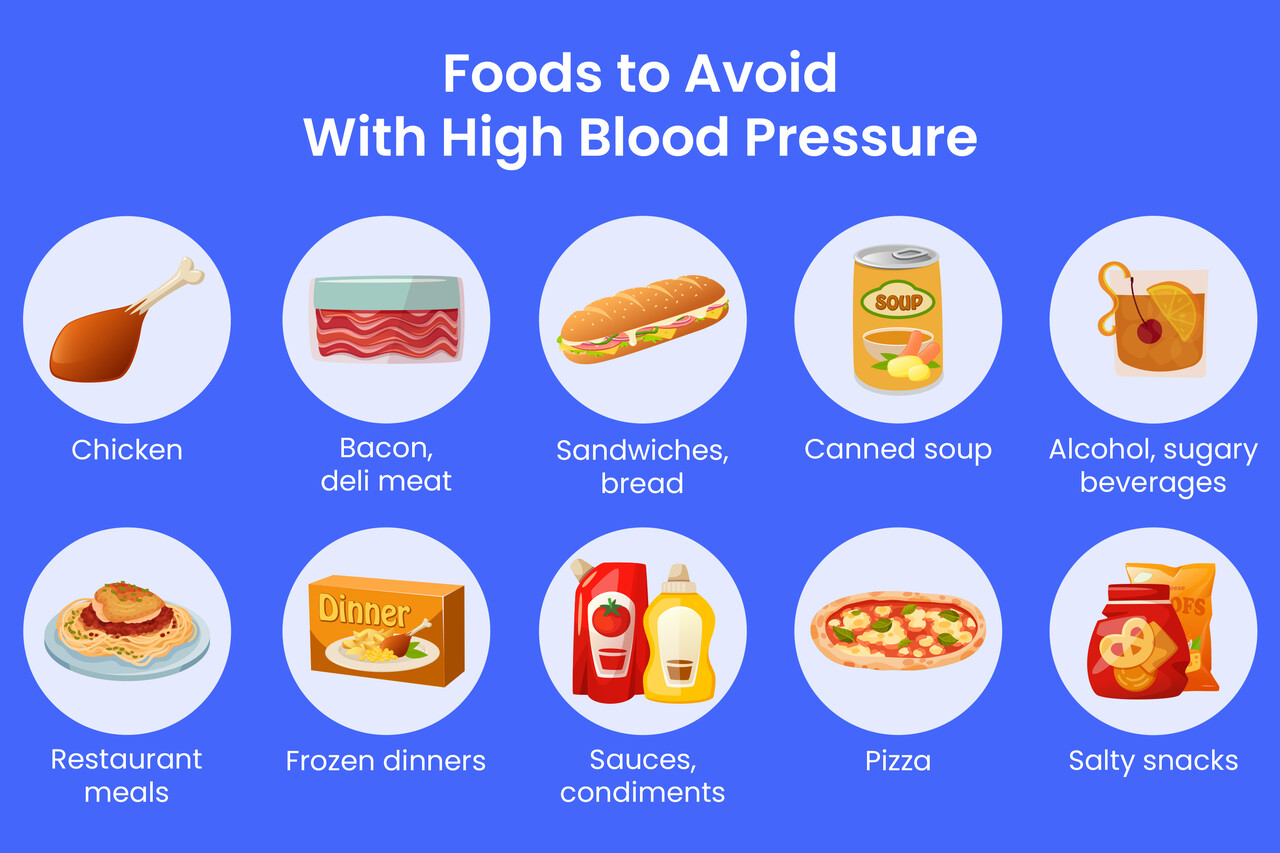
- Excessive salt consumption
- Lack of physical activity
- Overweight or obesity
- Smoking
- High alcohol intake
- Chronic stress
- Family history of hypertension
- Aging
Understanding these risk factors can help individuals take preventive measures early.

Health Problems Caused by Hypertension
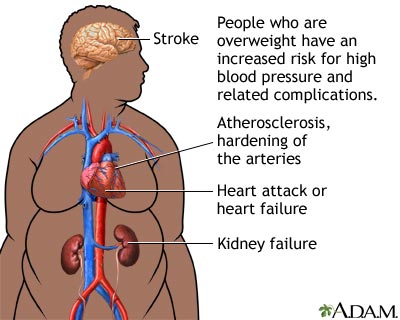
When high blood pressure remains uncontrolled for a long time, it can damage vital organs in the body.
Some serious complications include:
Heart Disease
Hypertension increases the risk of heart attacks and heart failure.

Stroke
High blood pressure can damage blood vessels in the brain, increasing the risk of stroke.

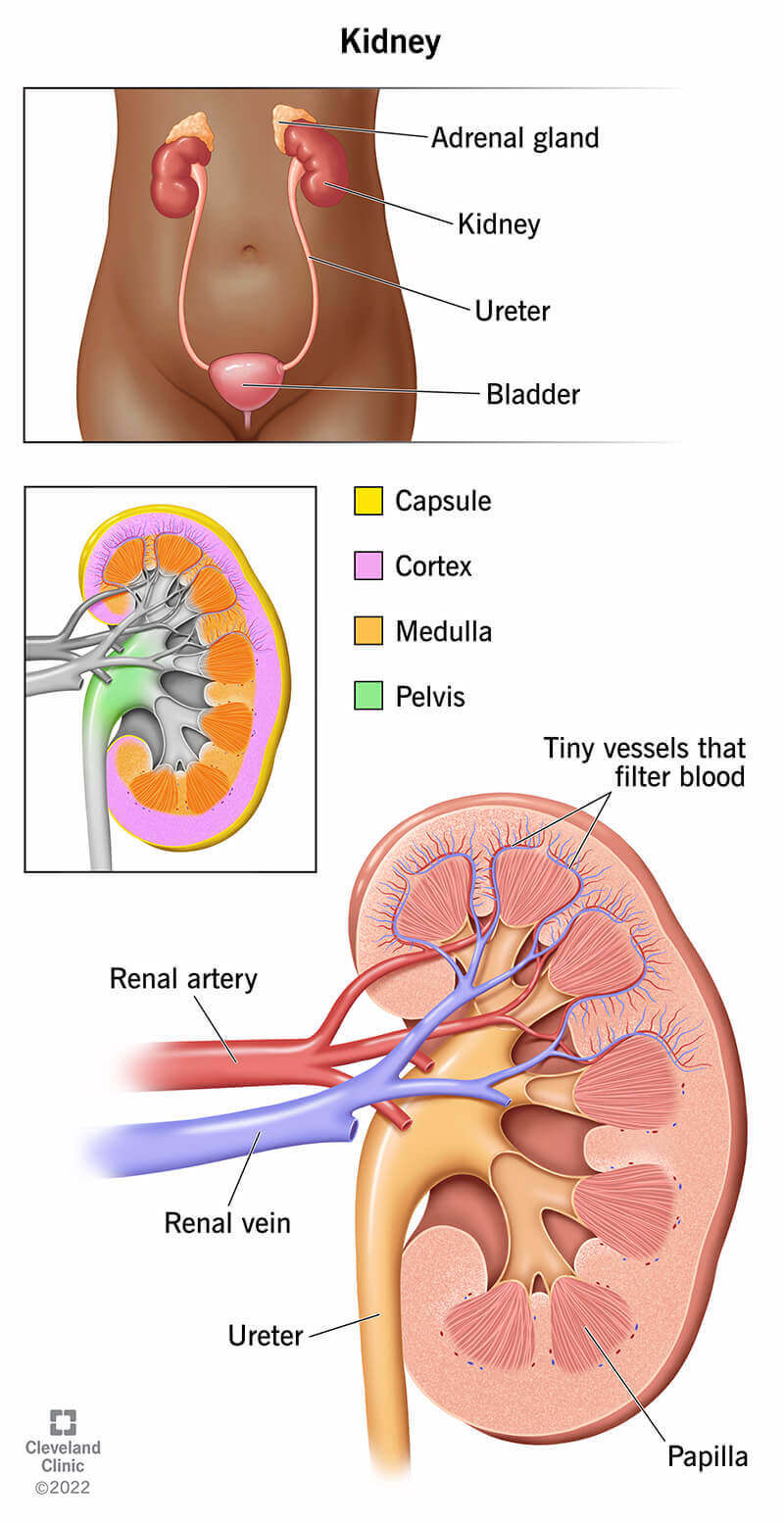
Kidney Damage
Long-term hypertension may lead to chronic kidney disease.
Vision Problems
Damage to blood vessels in the eyes can cause vision loss or blindness.
Because of these risks, controlling blood pressure is essential for long-term health.
How to Prevent Hypertension
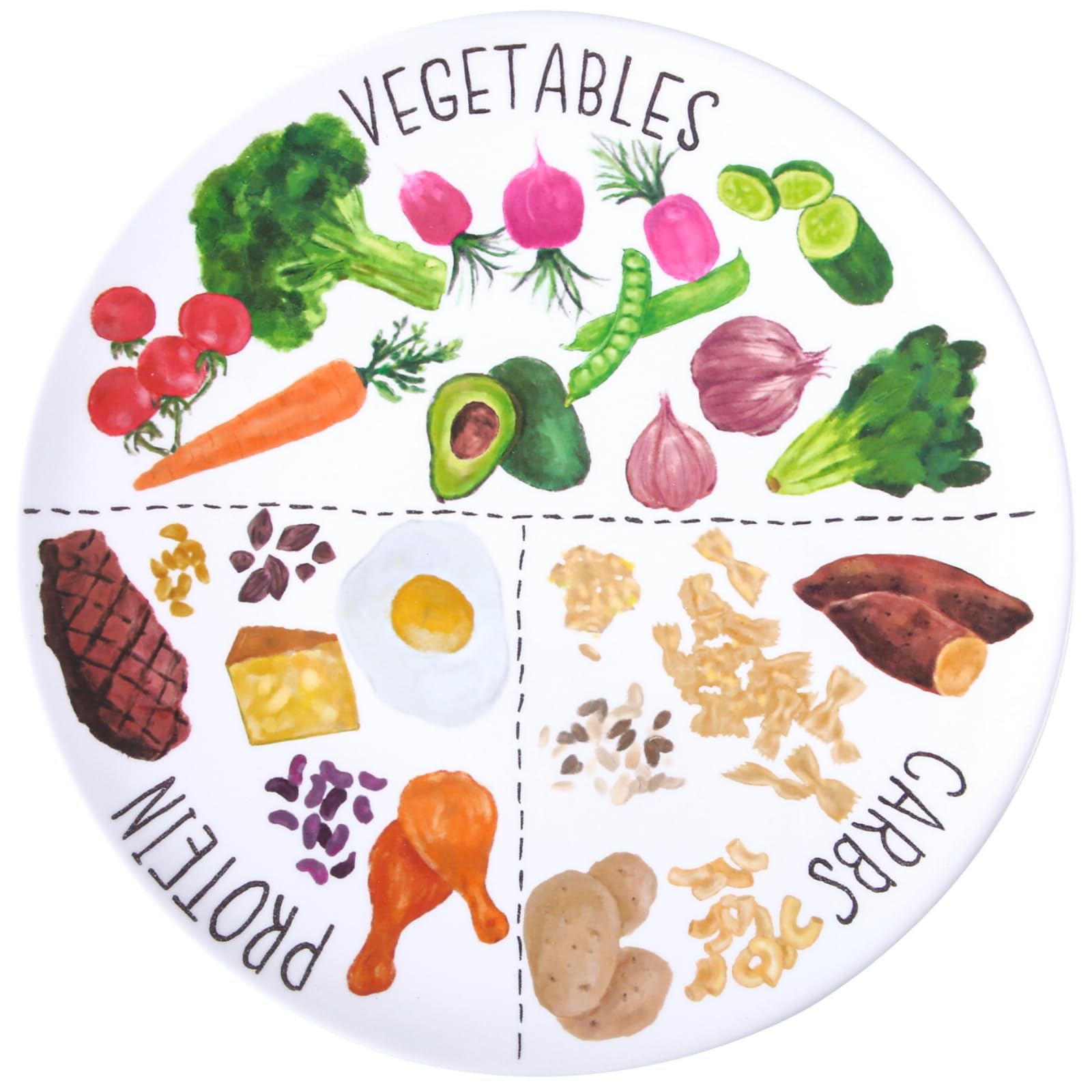
Eat a Healthy Diet
Focus on foods such as:
- Fruits and vegetables
- Whole grains
- Lean proteins
- Low-fat dairy products
Reduce foods high in salt, sugar, and saturated fats.
Reduce Salt Intake
Too much sodium can raise blood pressure. Experts recommend limiting salt intake to less than 5 grams per day.
Exercise Regularly
Physical activity strengthens the heart and improves blood circulation. Aim for at least 30 minutes of moderate exercise most days of the week.

Maintain a Healthy Weight
Losing even a small amount of excess weight can help lower blood pressure.
Avoid Smoking and Limit Alcohol
Smoking damages blood vessels, while excessive alcohol can increase blood pressure.
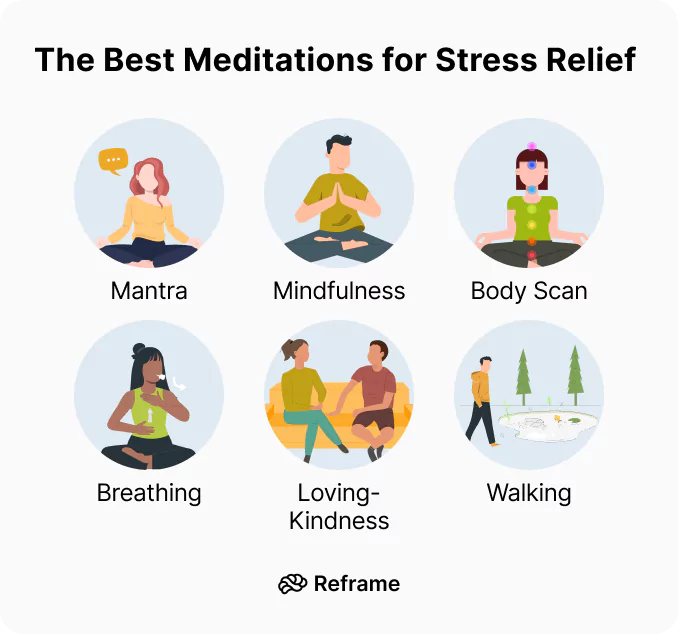
Manage Stress
Stress management techniques such as yoga, meditation, and deep breathing can help maintain healthy blood pressure levels.
The Importance of Regular Blood Pressure Monitoring
Regular blood pressure monitoring helps detect hypertension early. Early detection allows individuals to take action before serious complications develop.
People with risk factors should check their blood pressure regularly and consult healthcare professionals for guidance and treatment when necessary.
Conclusion
Hypertension is a serious but preventable condition. By maintaining a healthy lifestyle, eating nutritious foods, exercising regularly, and monitoring blood pressure, individuals can significantly reduce their risk of developing high blood pressure.
Small daily changes can make a big difference in protecting heart health and improving overall well-being.
Taking care of your blood pressure today can help ensure a longer, healthier life.
Post comment