

Introduction
Heart disease is one of the leading causes of death worldwide. It refers to a group of conditions that affect the heart and blood vessels. These conditions can reduce the heart’s ability to pump blood effectively and may lead to serious complications if not treated early.
Many cases of heart disease develop slowly over time due to unhealthy lifestyle habits. However, the good news is that many heart diseases can be prevented by maintaining a healthy lifestyle and managing risk factors.
Understanding the causes, symptoms, and prevention strategies can help people protect their heart and live a longer, healthier life.
What Is Heart Disease?
Heart disease is a broad term used to describe several conditions that affect the heart. The most common type is coronary artery disease, which occurs when the arteries supplying blood to the heart become narrowed or blocked due to plaque buildup.
Some common types of heart disease include:
- Coronary artery disease – blockage of heart arteries
- Heart attack – sudden blockage of blood flow to the heart
- Heart failure – when the heart cannot pump blood effectively
- Arrhythmia – irregular heart rhythm
- Congenital heart defects – heart problems present at birth
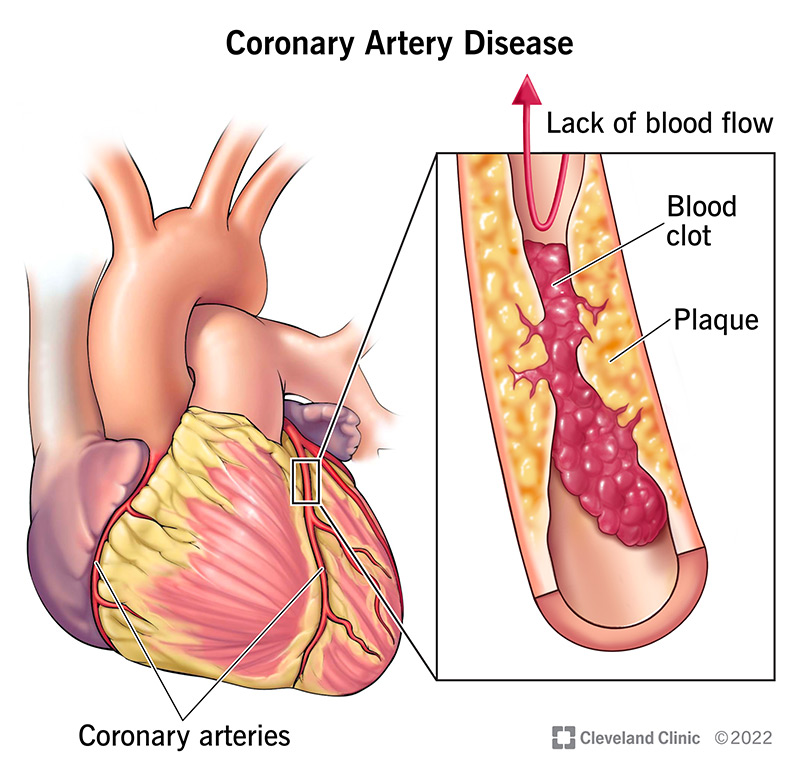
Each of these conditions can affect the heart’s ability to function properly.
Causes and Risk Factors
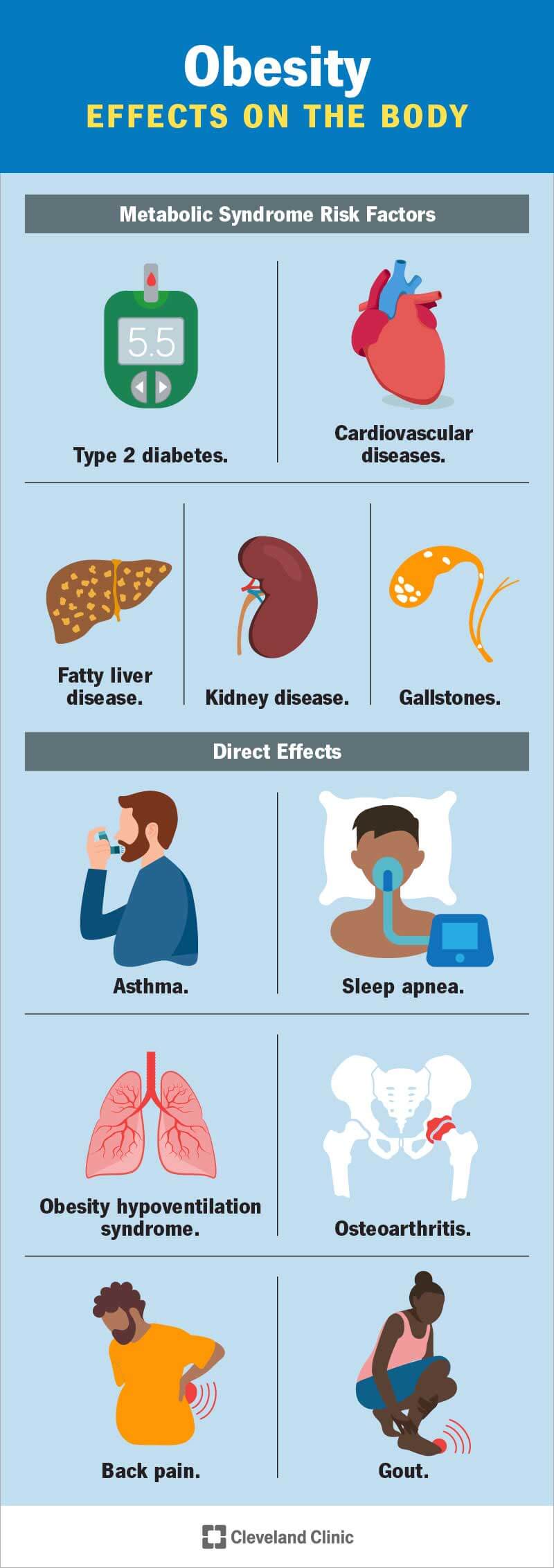
Several factors increase the risk of developing heart disease. Some are related to lifestyle choices, while others are genetic or age-related.
Common risk factors include:
- High blood pressure
- High cholesterol
- Smoking
- Obesity
- Diabetes
- Physical inactivity
- Unhealthy diet
- Chronic stress
- Family history of heart disease
Managing these risk factors is essential for preventing heart disease.
Symptoms of Heart Disease
- Chest pain or discomfort
- Shortness of breath
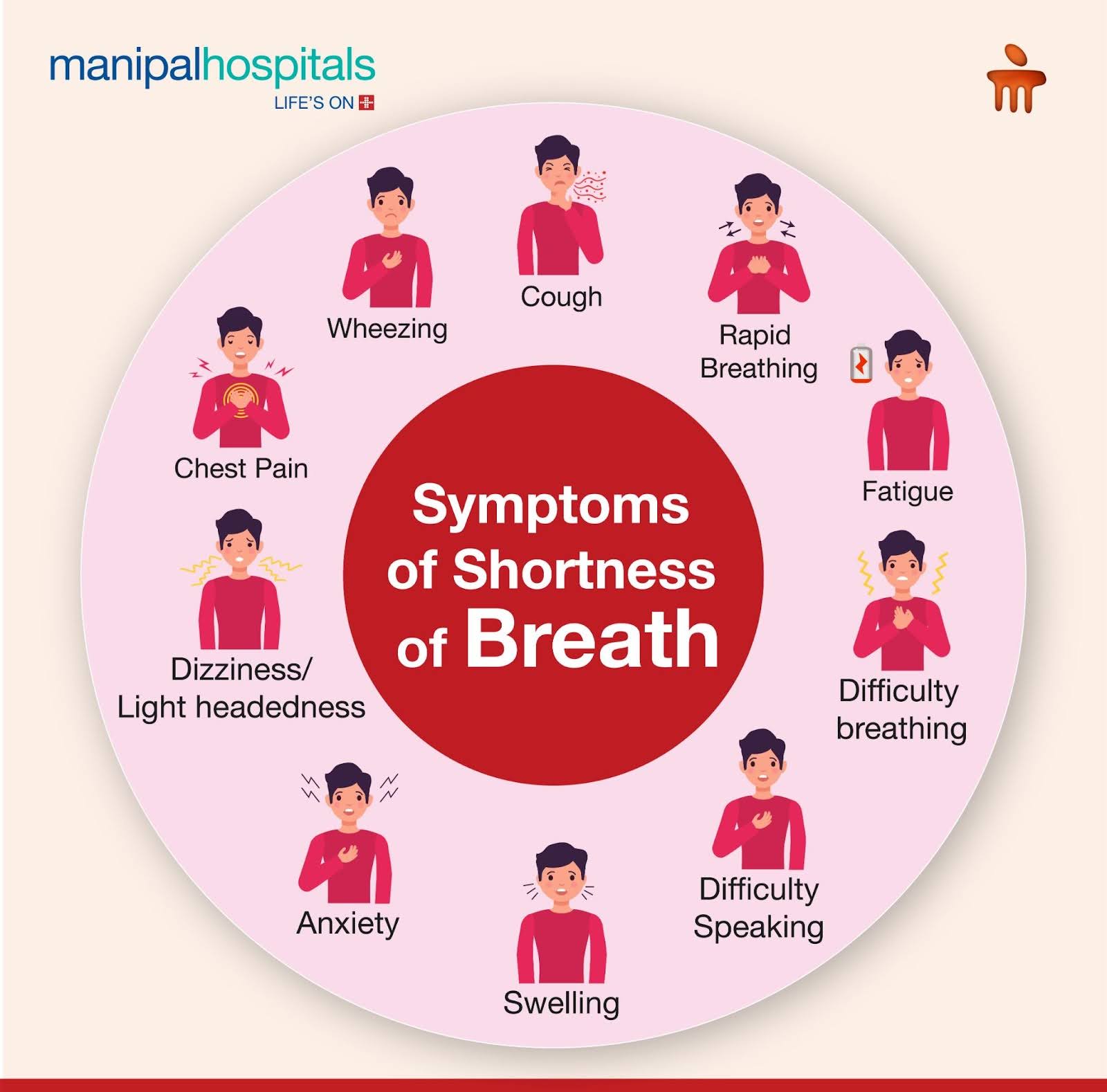
- Fatigue or weakness
- Pain in the neck, jaw, or arms
- Irregular heartbeat
- Dizziness or fainting

In some cases, heart disease may develop without obvious symptoms until a serious event such as a heart attack occurs. This is why regular medical checkups are important.
How to Prevent Heart Disease
Many heart diseases can be prevented by adopting healthy lifestyle habits.
Eat a Heart-Healthy Diet
Choose foods that support heart health, such as:
- Fruits and vegetables
- Whole grains
- Lean proteins
- Healthy fats like olive oil and nuts
Limit foods high in salt, sugar, and unhealthy fats.

Exercise Regularly
Physical activity strengthens the heart and improves circulation. Experts recommend at least 150 minutes of moderate exercise per week.

Maintain a Healthy Weight
Excess weight increases the risk of high blood pressure, diabetes, and heart disease.
Avoid Smoking
Smoking damages blood vessels and greatly increases the risk of heart attacks and stroke.
Manage Stress
Chronic stress can negatively affect heart health. Techniques like meditation, deep breathing, and relaxation exercises can help manage stress levels.
The Importance of Regular Health Checkups
Early detection allows doctors to recommend lifestyle changes or treatments that can prevent complications.
Conclusion
Heart disease is a serious health condition, but many cases can be prevented through healthy lifestyle choices. Eating nutritious foods, staying physically active, managing stress, and avoiding harmful habits like smoking can significantly reduce the risk of heart disease.
Taking care of your heart today can help ensure a healthier and longer life in the future. Regular checkups and awareness of risk factors are key steps in protecting your heart and overall well-being.
Post comment