

Introduction
Diabetes is one of the fastest-growing health problems in the world. Millions of people live with this condition, and many more are at risk without realizing it. Diabetes occurs when the body cannot properly control blood sugar (glucose) levels.
If not managed properly, diabetes can lead to serious health complications. The good news is that many cases—especially Type 2 diabetes—can be prevented with healthy lifestyle choices.
This article explores:
- What diabetes is?
- Common problems caused by diabetes
- Warning signs to watch for
- Practical ways to prevent it
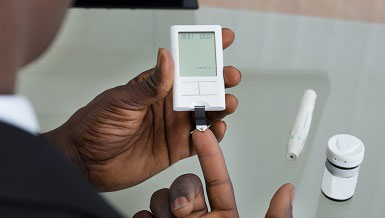
What Is Diabetes?
Diabetes is a chronic disease that affects how the body processes blood sugar.
Normally, the hormone insulin helps move glucose from the blood into the cells to be used for energy. When someone has diabetes, the body either:
- Does not produce enough insulin, or
- Cannot use insulin effectively.
Main Types of Diabetes
1. Type 1 Diabetes
- Usually develops in childhood or adolescence
- The immune system attacks insulin-producing cells
- Requires lifelong insulin treatment
2. Type 2 Diabetes
- Most common type
- Often linked to lifestyle and genetics
- Usually develops in adults but increasingly seen in younger people
3. Gestational Diabetes
- Occurs during pregnancy
- Usually disappears after childbirth
- Increases future risk of Type 2 diabetes
Common Problems Caused by Diabetes
If diabetes is not controlled, high blood sugar can damage many parts of the body.
Major complications include:
1. Heart Disease
People with diabetes have a higher risk of heart attack and stroke.
2. Kidney Damage (Diabetic Nephropathy)
High glucose levels can damage the kidneys over time.
3. Vision Problems
Diabetes can cause diabetic retinopathy and even blindness.
4. Nerve Damage
Nerve damage may lead to numbness or pain in hands and feet.
5. Foot Problems
Poor circulation and nerve damage can lead to infections and ulcers.
Warning Signs of Diabetes
Early detection can prevent serious complications.
Common symptoms include:
- Frequent urination
- Excessive thirst
- Unexplained weight loss
- Extreme fatigue
- Blurred vision
- Slow-healing wounds
If you notice these symptoms, it is important to consult a healthcare professional.
How to Prevent Type 2 Diabetes
The good news is that Type 2 diabetes is largely preventable.
1. Maintain a Healthy Weight
Excess body fat increases insulin resistance.
2. Eat a Balanced Diet
Focus on:
- Whole grains
- Fruits and vegetables
- Lean protein
- Healthy fats
Avoid:
- Sugary drinks
- Highly processed foods
- Excessive refined carbohydrates
3. Exercise Regularly
Physical activity helps control blood sugar and improve insulin sensitivity.
Aim for at least 30 minutes of exercise most days of the week.
4. Limit Sugar Intake
Too much sugar increases the risk of obesity and insulin resistance.
5. Get Regular Health Checkups
Routine blood sugar testing can help detect early signs of diabetes.
Living Well with Diabetes
Although diabetes is a lifelong condition, many people live healthy lives by managing it properly.
Important management steps include:
- Monitoring blood sugar regularly
- Taking medications as prescribed
- Following a healthy diet
- Staying physically active
- Managing stress
With proper care, people with diabetes can live long and healthy lives.
Conclusion
Diabetes is a serious but manageable condition. Awareness, early detection, and healthy lifestyle choices play a major role in preventing and controlling it.
By eating well, staying active, and monitoring health regularly, individuals can reduce their risk and improve their overall quality of life.
Taking small steps today can lead to a healthier future.
Post comment