

Overweight and obesity have become major global health concerns. They occur when a person has excessive body fat that may negatively affect their health. These conditions are often caused by an imbalance between the calories consumed and the calories burned through physical activity.
According to health experts, the number of people affected by overweight and obesity has increased significantly in recent decades due to changes in lifestyle, diet, and physical activity patterns.
Maintaining a healthy body weight is important because obesity increases the risk of many chronic diseases, including heart disease, diabetes, and hypertension. Fortunately, many cases can be prevented through healthy lifestyle choices.
What Are Overweight and Obesity?
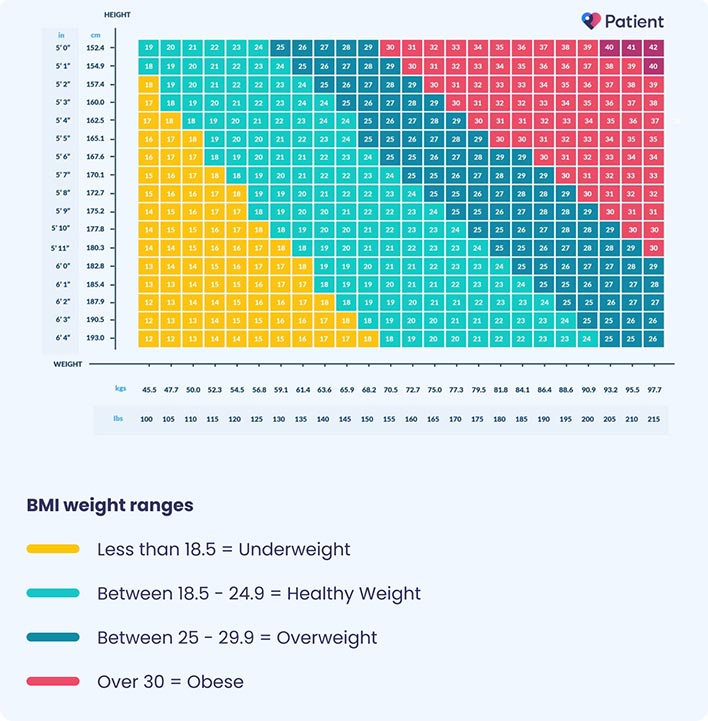
Overweight and obesity are defined as abnormal or excessive fat accumulation that may impair health. A common method used to measure body weight status is the Body Mass Index (BMI).
BMI is calculated by dividing a person's weight (in kilograms) by the square of their height (in meters).
BMI Categories
- Underweight: BMI below 18.5
- Normal weight: BMI 18.5 – 24.9
- Overweight: BMI 25 – 29.9
- Obesity: BMI 30 or higher

Although BMI is a useful screening tool, other factors such as body composition, muscle mass, and overall health should also be considered.

Causes and Risk Factors
Several factors contribute to overweight and obesity. These may include lifestyle habits, environmental influences, and genetic factors.
Common causes and risk factors include:
- Unhealthy diet high in calories, sugar, and fats
- Lack of physical activity
- Sedentary lifestyle such as long hours of sitting
- Emotional eating or stress-related eating
- Genetic predisposition
- Poor sleep habits
- Hormonal imbalances
Addressing these factors can help reduce the risk of gaining excess weight.
Health Risks Associated with Obesity
Obesity is associated with several serious health conditions that can affect quality of life and increase the risk of premature death.
Major health risks include:
- Heart disease and stroke
- Type 2 diabetes
- High blood pressure
- Chronic kidney disease
- Joint problems and arthritis
- Sleep apnea
- Certain types of cancer
Maintaining a healthy weight is therefore important for long-term health and well-being.
How to Prevent Overweight and Obesity
Eat a Balanced Diet
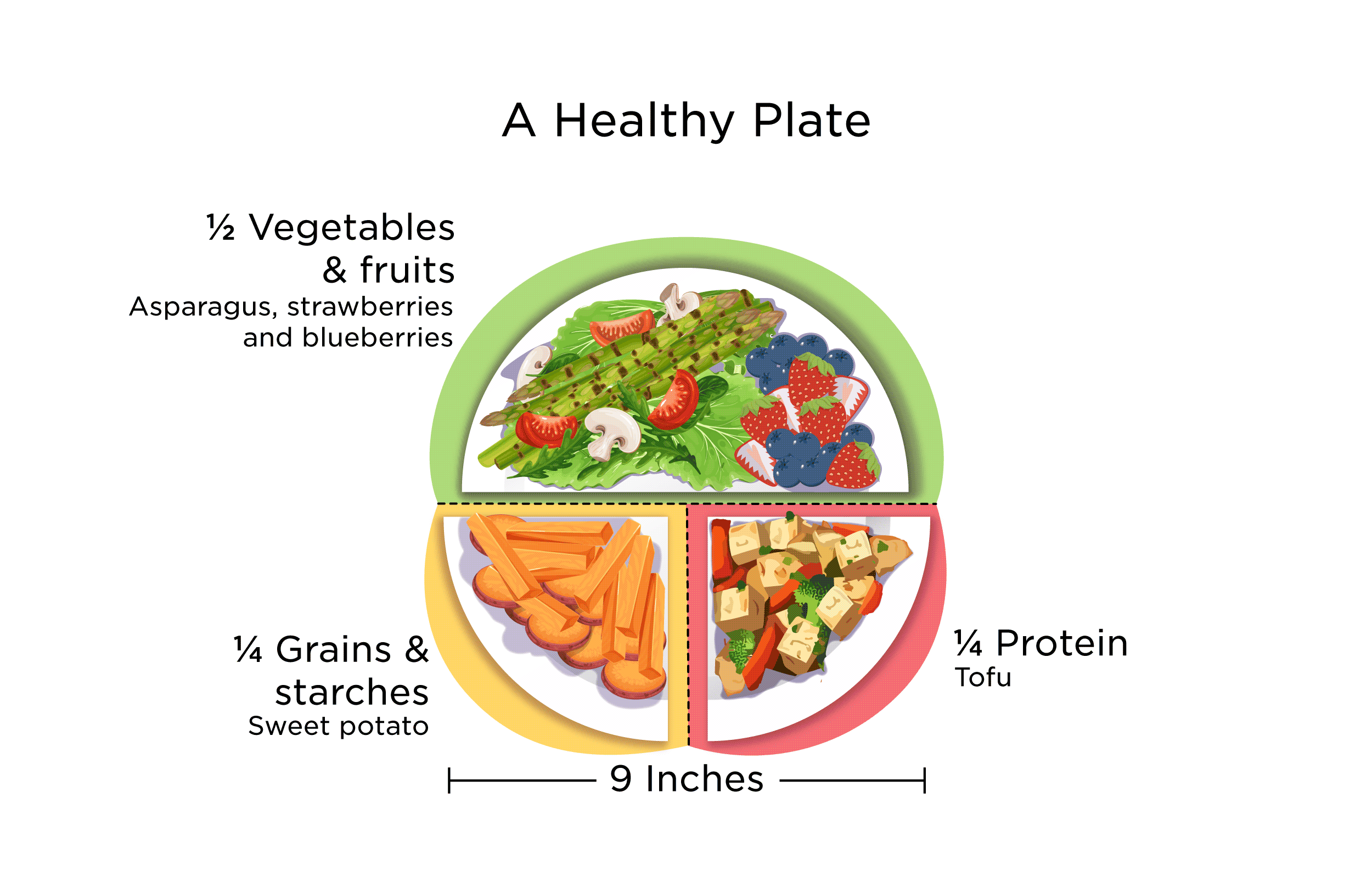
Focus on nutritious foods such as:
- Fruits and vegetables
- Whole grains
- Lean proteins
- Healthy fats
Limit foods high in sugar, salt, and unhealthy fats.
Exercise Regularly
Physical activity helps burn calories and maintain a healthy weight. Aim for at least 150 minutes of moderate exercise per week.

Control Portion Sizes
Eating appropriate portion sizes helps prevent excessive calorie intake.
Get Enough Sleep
Adequate sleep helps regulate hormones that control appetite and metabolism.
Manage Stress
Stress may lead to emotional eating. Activities such as yoga, meditation, or relaxation techniques can help manage stress effectively.
Maintaining a Healthy Weight
Maintaining a healthy weight requires long-term commitment to healthy habits. Small lifestyle changes made consistently over time can have a significant impact.
Helpful strategies include:
- Monitoring body weight regularly
- Setting realistic health goals
- Staying physically active
- Seeking support from healthcare professionals if needed
Healthy weight management is not about quick fixes but about creating sustainable habits for lifelong health.

Conclusion
Overweight and obesity are serious health conditions that affect millions of people around the world. They increase the risk of many chronic diseases and can impact overall quality of life.
However, with proper awareness and lifestyle changes such as healthy eating, regular exercise, and stress management, individuals can prevent or reduce excess weight.
Taking small steps toward healthier habits today can lead to a healthier, more active life in the future.
Post comment